The Art of the Wind-Down
How the hour before bed quietly sets the tone for everything that follows.
Most of us treat sleep like a light switch.
We stay busy until the last possible moment, close the laptop, brush our teeth, and expect our minds to go dark on command. Then we lie there — awake, replaying the day, wondering why rest feels so far away.
The truth is gentler than that. Sleep isn’t a switch; it’s a slope. The body prefers to descend into rest gradually, and the hour before bed is where that descent begins. What you do in that hour matters more than almost anything else in your evening.
A wind-down doesn’t need to be elaborate. It’s simply a signal — a consistent set of small cues that tell your body the day is closing. Lowering the lights is one of the oldest and kindest of these signals. Bright overhead light keeps the mind alert; soft, warm light invites it to soften too. If you do one thing tonight, dim the room an hour early and notice how quickly the mood shifts.
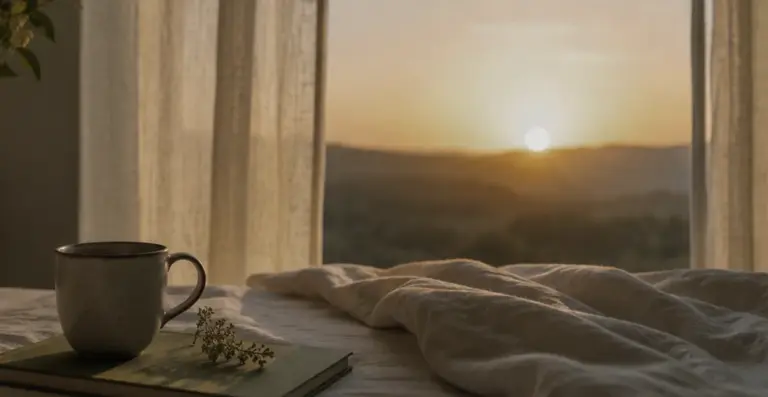
The second cue is pace. Evenings tend to speed up right when they should slow down — the last emails, the doom-scroll, the “one more episode.” A wind-down asks you to deliberately downshift. Trade the screen for a book. Trade the news for a warm drink. Trade doing for simply being, even for ten minutes. The point isn’t to be productive about your rest. The point is to stop being productive at all.
Finally, there’s consistency. The body loves rhythm far more than it loves any single perfect night. A wind-down repeated at roughly the same time each evening becomes a kind of quiet promise: this is when we rest now. Over time, your body starts to keep that promise on its own, drifting toward calm before you’ve even asked it to.
None of this is about rules. It’s about creating a small pocket of stillness between the demands of the day and the quiet of the night — a threshold you cross on purpose. Cross it gently enough, often enough, and sleep tends to meet you halfway.
Tonight, try leaving the last hour unhurried. See what happens when you let the evening end instead of forcing it to.